Blog

  • Winter and Frost Roof Damage in Canberra: How to Spot It and Fix It Early

    Canberra averages around 60 nights below zero each year at Canberra Airport, making it Australia’s frostiest capital city. That constant cycle of freezing nights and sunny days is the main cause of winter roof damage in Canberra, from cracked tiles and crumbling ridge mortar to condensation in the roof space.

    Frost season usually starts in April and can run into October. Sheltered valley suburbs like Tuggeranong often record even colder mornings than the official airport readings, with minimums well below minus five on the coldest nights.

    The good news is that most frost damage starts small and is simple to repair when caught early. This guide explains how frost affects different roof types, the signs worth looking for and the easy steps that keep your roof healthy through every Canberra winter.

    How Frost Damages Roofs: The Freeze-Thaw Cycle

    Frost damage happens when water soaks into roofing materials, freezes overnight and expands. Ice takes up about 9 per cent more space than water, so each freeze pushes tiny cracks a little wider. The sun thaws everything the next day, more water seeps in, and the cycle repeats dozens of times each winter.

    Concrete tiles

    Concrete tiles are slightly porous, especially once their surface coating wears thin after 15 to 20 years. Water absorbed into the tile freezes and causes surface flaking, known as spalling, as well as hairline cracks.

    Terracotta tiles

    Good-quality terracotta handles frost well. Older or lower-grade terracotta can absorb moisture and start to flake or crack at the edges. Glazed terracotta is the most frost-resistant option.

    Ridge capping mortar

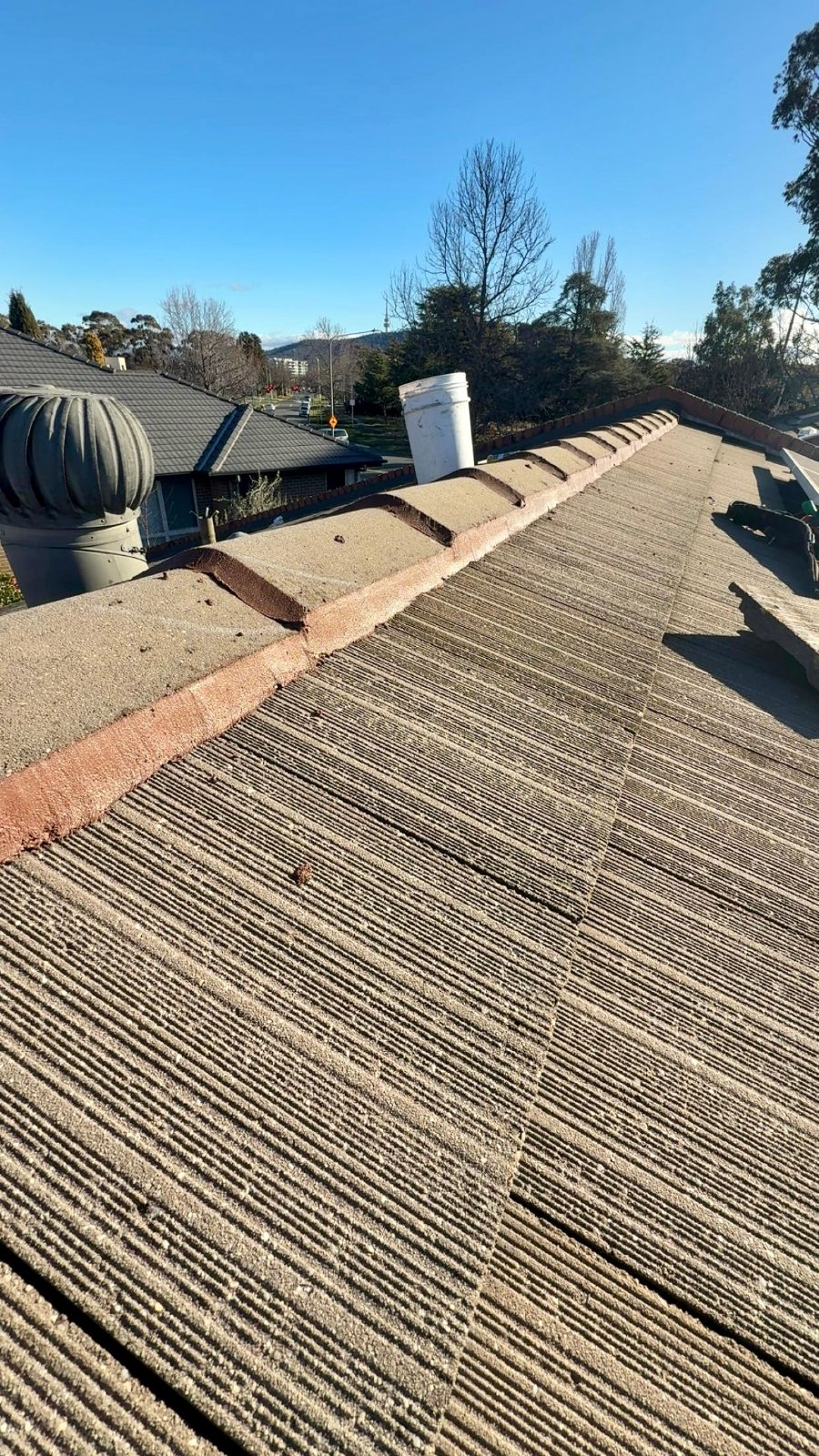
    The sand and cement mortar used on older roofs is the most frost-sensitive part of a tiled roof. Freeze-thaw cycles break it down until it cracks, crumbles and lets ridge caps loosen. Modern flexible pointing compounds move with the roof and hold up far better through Canberra winters.

    Metal and Colorbond roofs

    Steel does not absorb water, so metal roofs are not damaged by freeze-thaw. Their winter challenge is condensation. On cold, clear nights, warm moist air from inside the home meets the chilled underside of the sheets and forms droplets that can drip onto insulation and ceilings. Quality insulation blankets and vapour-permeable sarking solve the problem, and they help a Colorbond roof last for decades.

    Common Winter Roof Damage in Canberra and What to Look For

    Most winter roof problems show early signs you can spot from the ground or inside the home. Catching them in late winter or early spring keeps repairs quick and affordable.

    Winter issueWhat you might noticeUsual fix
    Cracked or spalling tilesFlaking tile surfaces, chips or tile fragments in guttersReplace individual tiles
    Crumbling ridge mortarGaps along ridge caps, mortar pieces in gutters or on pathsRe-bed and re-point ridges
    Roof space condensationDamp insulation, mould spots or drips on cold morningsImprove sarking, insulation and ventilation
    Blocked guttersOverflow after rain, ice or leaf build-up along the eavesClean gutters, fit gutter guards
    Wind-lifted sheets or tilesUneven lines on the roof after westerly galesRe-fix and secure
    Slow leaksCeiling stains that grow after each wet spellTrace and repair the entry point

    Signs inside your home

    • Water stains or bubbling paint on ceilings, especially near external walls
    • A musty smell or mould in wardrobes and ceiling corners
    • Damp or compressed insulation in the roof space
    • Drips around downlights, exhaust fans or skylights on frosty mornings

    Water often travels along battens before it shows on a ceiling, so the stain is not always under the problem. Professional leak detection traces the true source, so the repair fixes it the first time.

    Westerly winds and late-winter storms

    Canberra’s strong westerly winds peak in late winter and spring. Ridge caps loosened by frost are more likely to lift in a gale, and late-season storms can bring hail. If wind or hail does damage your roof, our storm damage roof insurance claim guide explains the next steps.

    Repairing Frost Damage and Protecting Your Roof for Next Winter

    Most frost damage is fixed with targeted repairs. When a roof shows wear across most of its surface.

    Targeted repairs

    Cracked tiles are swapped individually, and loose ridge caps are re-bedded and re-pointed with flexible compound. Prompt tile repairs stop small cracks letting in water that would freeze and widen them further next winter.

    Condensation fixes for metal roofs

    For metal roofs with winter drips, the fix is usually better insulation, vapour-permeable sarking or improved roof space ventilation. These upgrades also make the home warmer in winter and cooler in summer.

    Your Canberra roof care calendar

    SeasonWhat to do
    Autumn (March to May)Clear leaves from gutters and valleys before frost season, and replace any cracked tiles
    Winter (June to August)Watch ceilings for stains after wet spells and check the roof space for damp insulation
    Late winter to spring (August to October)Book a professional roof inspection to catch frost damage before storm season
    Summer (December to February)Complete any re-pointing while the weather is dry and warm

    Stay off the roof on frosty or icy mornings. Ice on tiles and steel is extremely slippery, and frozen tiles break more easily under foot. A roofer with the right safety equipment can check it safely.

    Canberra Winter Roof Damage FAQs

    Can frost really damage roof tiles?

    Yes. Water absorbed into porous tiles freezes and expands, which slowly causes flaking and cracking. Canberra’s frequent sub-zero nights make freeze-thaw damage one of the most common roof issues in the region.

    Why does my metal roof drip on frosty mornings?

    That is usually condensation, not a leak. Warm, moist air from the home meets the cold underside of the steel and forms droplets. Better insulation, sarking and ventilation fix it.

    When is the best time to repair frost damage?

    Late winter and spring are ideal for inspections and small repairs.

    How much does it cost to fix winter roof damage in Canberra?

    Small repairs such as replacing a few tiles or re-pointing a section of ridge usually cost a few hundred dollars.

    Should I clear frost or ice from my roof?

    No. Leave it to melt naturally. Walking on a frosty roof is dangerous and can crack tiles or dent metal sheets.

    Winter-Ready Roofs for Canberra Homes

    A healthy roof makes Canberra winters warmer, drier and more comfortable. Ridgepoint Roofing repairs frost-damaged tiles, re-points ridges, fixes condensation problems across Canberra, Queanbeyan, Yass and Goulburn.

    We will check your roof from top to bottom, show you photos of what we find and recommend the simplest fix for your home.

    Book your winter roof check with Ridgepoint Roofing today.
  • Bushfire Ember Protection Roofing in Canberra: Make Your Roof Fire-Ready

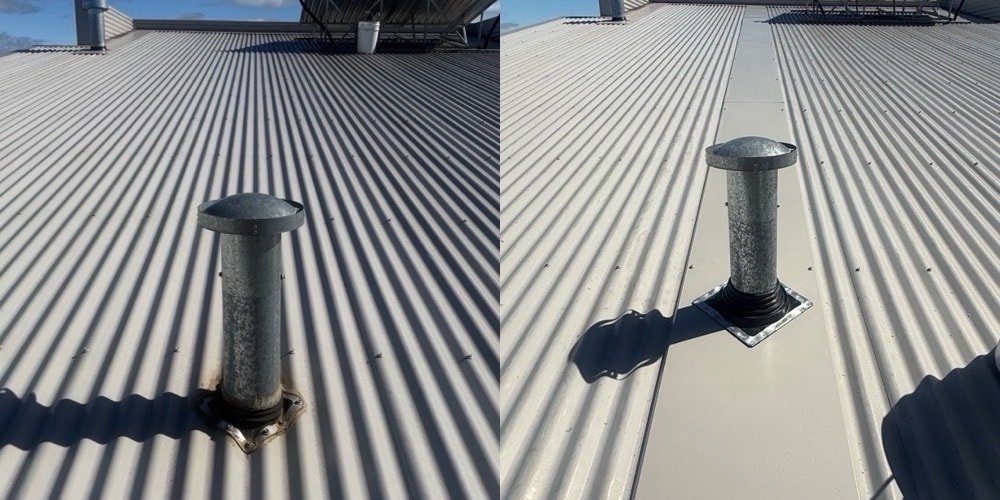
    Embers are the main way bushfires reach homes in Australia, often travelling kilometres ahead of the fire front on strong winds. A roof with sealed gaps, ember-proof mesh, non-combustible gutter guards and quality sarking gives your Canberra home strong, practical protection against ember attack.

    Canberra is the bush capital. Many suburbs sit right beside nature reserves, pine plantations and grasslands, which is part of what makes the city such a great place to live. Living close to nature also means preparing your home for bushfire season, which usually runs from October to March.

    The good news is that the most effective ember protection measures are affordable, quick to install and work on both new and existing roofs. This guide explains how bushfire ratings work in the ACT, which roof upgrades make the biggest difference and how to keep your roof fire-ready year after year.

    Bushfire Attack Levels (BAL) and Bushfire Prone Areas in the ACT

    In the ACT, the whole rural area and the built-up suburbs that border forest and grassland are mapped as Bushfire Prone Areas. New homes and major building work on bushfire prone blocks must be built to the Bushfire Attack Level (BAL) set for that block under Australian Standard AS 3959-2018.

    Your BAL rating measures how much ember, radiant heat and flame exposure your home could face, based on nearby vegetation, distance and slope.

    BAL ratingMain exposureWhat it means for your roof
    BAL-LOWVery low riskNo specific bushfire roofing requirements
    BAL-12.5Ember attackSealed roof gaps, ember-proof mesh, sarking, non-combustible gutter guards
    BAL-19Embers plus light radiant heatAs above, with tougher material requirements
    BAL-29Embers plus higher radiant heatNon-combustible roofing and fully sealed junctions
    BAL-40Heavy radiant heat and possible flamesTested roof systems and specialist detailing
    BAL-FZDirect flame contact (Flame Zone)Fully tested system for the most exposed sites

    Even at the lowest rated levels, embers are the leading threat. That is why ember protection is the foundation of every bushfire roofing upgrade.

    Canberra suburbs on the bushland edge

    Homes along Canberra’s western and southern edges, including parts of Weston Creek, Tuggeranong, Belconnen and Gungahlin, sit close to reserves and grasslands. The ACT’s mapping can change as land use and vegetation change, so check the current Bushfire Prone Areas map or ask your certifier for your block’s status.

    Embers can also land well beyond the mapped zones. Many homeowners outside a Bushfire Prone Area choose to add basic ember protection anyway for extra peace of mind.

    7 Roof Upgrades for Better Ember Protection

    Embers find their way in through small gaps and settle wherever leaves and debris gather. These upgrades close those entry points and keep fuel off the roof.

    1. Seal every roof gap. Gaps at ridges, hips, valleys and eaves are sealed with fire-rated foam fillers, metal flashings or ember-proof mesh. Under AS 3959, gaps larger than 3 mm are sealed or screened.
    2. Install ember-proof mesh. Corrosion-resistant steel, bronze or aluminium mesh with apertures of 2 mm or less goes over roof vents, weep holes and openings. Embers cannot pass through, yet air still flows freely.
    3. Fit non-combustible gutter guards. Metal gutter guards stop dry leaves building up in gutters and valleys, which removes one of the most common ignition points on a roof.
    4. Add quality sarking. A fire-rated sarking layer under tiles or metal sheets acts as a second barrier, catching any embers that slip past the outer roof.
    5. Upgrade to non-combustible roofing. Steel and well-sealed tile roofs both perform well against embers. Metal roofing systems can be installed to meet every BAL level, up to BAL-FZ.
    6. Protect eaves, fascias and walls. Enclosed eaves, metal fascias and non-combustible cladding stop embers lodging where the roof meets the walls.
    7. Seal roof penetrations. Skylights, solar panel mounts, evaporative cooler ducts and exhaust fans all need sealed flashings and ember screens.

    Evaporative coolers and roof vents

    Roof-mounted evaporative coolers are common in Canberra and are a frequent ember entry point. Fit an ember screen to the cooler and close the outlets when it is not in use during bushfire season. Whirlybirds and passive vents also need fine metal mesh.

    Metal or Tile Roofing for Bushfire Areas?

    Both metal and tile roofs can deliver excellent ember protection when they are properly sealed. Metal has the edge on the highest BAL ratings, because steel systems have been tested right up to the Flame Zone.

    • Metal roofing has long sheets with few joins, so there are fewer gaps for embers to enter. Ridges and valleys are sealed with profiled fillers and flashings.
    • Tile roofing relies on sarking and sealed ridges, because embers can pass between individual tiles. A well-maintained, sarked tile roof performs well at lower BAL ratings.

    For a closer look at both materials, read our tile vs metal roof comparison.

    What Ember Protection Roofing Costs in Canberra

    Most ember protection upgrades are a modest investment compared with the peace of mind they bring.

    UpgradeTypical cost range
    Ember sealing of ridges, valleys and eaves$800 to $2,500
    Metal mesh gutter guard (average home)$1,500 to $3,500
    Ember screens for vents and evaporative coolers$200 to $800
    Sarking added during a re-roof$15 to $25 per m²
    Full re-roof in Colorbond to suit your BAL rating$18,000 to $40,000+

    If your roof is nearing the end of its life, combining ember protection with a roof replacement is the most cost-effective path.

    Your Pre-Bushfire Season Roof Checklist

    Spring is the ideal time to get your roof ready, before the hot, windy days of summer.

    • Clear leaves and twigs from gutters, valleys and roof surfaces
    • Check gutter guards and vent mesh for holes or gaps
    • Replace cracked tiles and re-seal loose ridge capping
    • Trim branches overhanging the roof
    • Close and screen evaporative cooler outlets
    • Move firewood, mulch and outdoor furniture away from the house
    • Book a professional roof inspection to find gaps you cannot see from the ground

    Bushfire Ember Protection Roofing FAQs

    What is ember protection roofing?

    Ember protection roofing is a set of measures that stop burning embers entering or igniting your roof. It includes sealed gaps, fine metal mesh over openings, non-combustible gutter guards, sarking and fire-resistant roofing materials.

    How do I find out if my Canberra home is in a Bushfire Prone Area?

    Check the ACT Government’s Bushfire Prone Areas map, or ask your building certifier. The ACT’s rural areas and the suburbs bordering forest and grassland are mapped as Bushfire Prone Areas.

    Do I have to upgrade my existing roof for bushfire?

    The BAL requirements apply to new homes and major building work on bushfire prone blocks. Upgrading an existing roof is usually voluntary, but it is one of the most effective ways to protect your home.

    Are metal gutter guards worth it in Canberra?

    Yes. Metal mesh gutter guards keep leaves out of gutters all year, which reduces both bushfire risk and storm overflow. Choose metal over plastic, which can melt in a fire.

    Is Colorbond good for bushfire areas?

    Colorbond steel is non-combustible and can be installed as part of roof systems that meet every BAL level, up to BAL-FZ. That makes it a popular choice for Canberra homes on the bushland edge.

    Can a tiled roof be made ember-resistant?

    Yes. Adding fire-rated sarking, sealing ridges and valleys with mesh or fillers and fitting metal gutter guards gives a tiled roof strong ember protection.

    Get Your Canberra Roof Bushfire-Ready

    A few well-chosen upgrades can make a big difference to how your home handles bushfire season. Ridgepoint Roofing installs ember protection, gutter guards and BAL-rated roofing across Canberra, Queanbeyan, Yass and Goulburn.

    We will inspect your roof, explain which upgrades suit your home and BAL rating, and give you a clear, itemised quote.

    Book your bushfire roof assessment with Ridgepoint Roofing before the season starts.

  • Storm Damage Roof Insurance Claim: A Step-by-Step Guide for Canberra Homes

    Most Australian home insurance policies cover sudden roof damage caused by storms, hail and strong winds. A smooth storm damage roof insurance claim comes down to three things: making the roof safe quickly, recording the damage clearly and backing your claim with a professional roof report.

    Canberra’s storm season usually runs from late spring through summer. Afternoon thunderstorms can roll in fast off the Brindabellas, bringing damaging winds and hail. The January 2020 hailstorm showed how quickly a single storm can damage thousands of roofs, cars and gutters across the city.

    This guide walks you through what insurance typically covers, each step of the claim process and the evidence that helps your insurer approve repairs quickly.

    What Home Insurance Usually Covers for Storm-Damaged Roofs

    Insurers cover sudden, one-off damage from a storm event. They generally do not cover gradual deterioration that has built up over years. Knowing the difference helps you lodge a claim with confidence.

    Usually coveredUsually not covered
    Tiles cracked or dislodged by hail or windTiles that were already cracked, porous or worn
    Metal sheets lifted, dented or torn off in a stormRust and corrosion that developed over time
    Roof damaged by a falling tree or branchLeaks from old ridge mortar or tired flashings
    Ceilings and contents damaged by storm water entering through the roofDamage from blocked gutters that were not maintained
    Gutters and downpipes damaged by hail or windGradual water damage that was left untreated
    Emergency make-safe work such as tarpingGeneral roof cleaning or cosmetic updates

    Every policy is a little different, so check your Product Disclosure Statement (PDS) for your storm cover, excess and any limits on temporary repairs. Many policies also cover reasonable emergency repairs to stop further damage, which is why it pays to act fast.

    Why roof condition matters

    Insurers look at whether the damage came from the storm or from the roof’s age. A well-maintained roof gives you a stronger claim, because the storm damage stands out clearly. Regular care, from re-pointing tiles to keeping gutters clear, keeps your roof in claim-ready condition year-round.

    How to Make a Storm Damage Roof Insurance Claim in 7 Steps

    Following these steps in order keeps your home protected and gives your insurer everything it needs to make a decision quickly.

    1. Put safety first. Stay off the roof, keep clear of fallen power lines and switch off power to any wet ceiling areas. For urgent help with storm damage in the ACT, call the SES on 132 500.
    2. Get the roof made safe. Book an emergency roof repair to tarp the roof, replace dislodged tiles or secure lifted sheets. Insurers expect you to prevent further damage, and most policies cover reasonable make-safe costs.
    3. Photograph everything. Take clear photos and short videos of the roof from the ground, plus any ceiling stains, water on floors, damaged gutters and fallen branches. Include close-ups and wide shots, and keep the time stamps.
    4. Contact your insurer early. Lodge the claim by phone, app or online as soon as you can. Write down your claim number and the name of the person you speak with.
    5. Get a professional roof report. A qualified roofer’s written report with photos, the cause of damage and a repair quote gives your insurer clear, independent evidence.
    6. Meet the assessor. For larger claims, your insurer may send a loss assessor. Share your photos and roof report, and ask how long the decision is likely to take.
    7. Approve repairs and keep records. Once the claim is approved, confirm the scope of works covers all the damage. Keep every invoice, report and email in one folder.

    How long does an insurance claim take in Australia?

    Under the General Insurance Code of Practice, insurers aim to decide a claim within 10 business days once they have all the information they need. If more assessment is required, the decision should be made within four months. After a declared catastrophe, such as a major hailstorm, the timeframe can extend to 12 months, so lodging early and supplying complete evidence makes a real difference.

    What a Strong Roof Damage Report for Insurance Includes

    A clear, independent roof report is the single most useful document in a storm damage claim. It shows the insurer exactly what happened, what caused it and what it will cost to fix. A thorough roof inspection report should include:

    • The date of the inspection and the date of the storm event
    • Dated photos of every damaged area, from close-ups to wide shots
    • The cause of damage, such as hail impact, wind uplift or a fallen branch
    • The roof material, approximate age and overall condition
    • Any internal water entry, with the likely path traced through the roof
    • An itemised repair or replacement quote
    • Make-safe work already completed, with photos

    Hidden damage worth checking

    Storm damage is not always visible from the ground. Hail can crack tiles without dislodging them, bruise the paint on metal sheets or split ridge pointing. Water can travel along battens and appear far from the entry point. Professional leak detection finds the true source, so the repair fixes the problem the first time.

    Tips for a smooth, successful claim

    • Lodge within days of the storm, while the evidence is fresh
    • Keep damaged tiles, sheet offcuts or fallen debris until the assessor has seen them
    • Use a licensed, insured roofer for both the report and the repairs
    • Ask your insurer whether you can choose your own repairer or must use their builder
    • Keep a simple log of every call, email and visit
    • Check the scope of works covers gutters, flashings, ceilings and insulation as well as the roof itself

    If you are ever unsure about a decision, you can ask your insurer for an internal review. The Australian Financial Complaints Authority (AFCA) provides a free, independent service if you need it.

    Getting Your Roof Storm-Ready for Canberra’s Storm Season

    A little preparation before summer helps your roof ride out storms and keeps any claim simple. The best time to prepare is spring, before the first big thunderstorms arrive.

    • Replace cracked or slipped tiles and re-point loose ridge capping with professional tile repairs
    • Tighten or replace loose roofing screws on metal roofs
    • Trim branches that overhang the roof
    • Clear gutters, valleys and downpipes so heavy rain drains away freely
    • Secure loose solar panel mounts, antennas and skylights
    • Take dated photos of your roof in good condition to keep on file

    Those winter checks pay off too. Our Canberra winter roof damage guide explains how to spot frost damage before storm season begins.

    Repair or replace after a storm?

    Most storm damage is fixed with targeted repairs. When hail or wind has damaged a large part of an older roof, insurers sometimes approve a full roof replacement. Many Canberra homeowners choose Colorbond for the new roof, as Colorbond roofing lasts for decades and stays watertight after hail.

    Storm Damage Roof Insurance Claim FAQs

    Does home insurance cover roof damage from storms?

    Most Australian home insurance policies cover sudden storm, hail and wind damage to roofs. Wear and tear, rust and poor maintenance are generally excluded, so check your PDS for the details.

    How soon should I lodge a storm damage claim?

    As soon as it is safe to do so. Early claims are easier to assess, and many policies require you to report damage promptly and prevent further damage.

    Do I need a roofer’s report for my insurance claim?

    It is not always required, but a professional roof report with photos and a quote makes your claim clearer and often faster to approve.

    Will insurance pay for emergency tarping?

    Most policies cover reasonable make-safe work, such as tarping, to stop further damage. Keep the invoice and photos for your claim.

    Can I choose my own roofer for insurance repairs?

    Some insurers let you choose your own licensed repairer, while others use their own builders. Ask your insurer early so you can plan the repairs.

    What if my claim is declined?

    Ask the insurer to explain the decision in writing and request copies of any reports they relied on. You can request an internal review, and AFCA offers a free external review service.

    Fast Storm Damage Roof Repairs in Canberra

    When a storm hits, quick action protects your home and supports your claim. Ridgepoint Roofing makes roofs safe, prepares detailed insurance reports and completes storm damage repairs across Canberra, Queanbeyan, Yass and Goulburn.

    We will inspect your roof, document the damage clearly for your insurer and get your home back to watertight. Call Ridgepoint Roofing today for storm damage roof repairs and insurance reports.

  • How Long Does a Colorbond Roof Last? A Canberra Homeowner’s Guide

    A well-installed Colorbond roof typically lasts 40 to 70 years, and in an inland city like Canberra it often reaches the upper end of that range. BlueScope backs its current Colorbond steel with warranties of up to 36 years for many roofing applications, but the real-world life of the roof usually runs well beyond the warranty.

    Canberra is one of the kindest places in Australia for a steel roof. There is no salt-laden sea air, industrial pollution is low and humidity is modest. The local challenges are different: hard frosts, condensation on cold nights, the occasional hailstorm and leaf litter from Canberra’s leafy streets.

    This guide explains how long each type of Colorbond roof lasts, what helps it reach its full lifespan and the clear signs that it is time for repairs or a new roof.

    Colorbond Roof Lifespan by Product and Location

    How long your roof lasts depends mainly on the product used and how harsh the surrounding environment is. Inland suburbs far from the coast give steel its longest life.

    ProductBest suited toTypical lifespan inland (e.g. Canberra)
    Colorbond steel (standard)Most homes away from surf and heavy industry40 to 70 years
    Colorbond Ultra steelCoastal and industrial sites50+ years in mild inland conditions
    Colorbond Metallic steelHomes wanting a metallic finish40 to 60 years
    Zincalume steel (unpainted)Sheds, rural buildings, budget re-roofs30 to 50 years

    How the Colorbond warranty works

    BlueScope’s warranty covers the steel against corrosion to perforation and the paint against flaking or peeling, for set periods that depend on the product and the site. Homes close to breaking surf or heavy industry receive shorter periods, while inland locations like Canberra qualify for the longest.

    There are a few important points to know:

    • The material warranty is separate from your roofer’s workmanship warranty, so ask for both in writing
    • Warranties depend on correct installation, compatible materials and basic maintenance
    • A warranty period is a minimum performance promise, not an expiry date. Many Colorbond roofs installed in the 1970s and 80s are still performing today

    What Helps a Colorbond Roof Last Longer in Canberra

    The biggest factor in how long a Colorbond roof lasts is the quality of the installation. After that, a handful of local conditions decide whether a roof reaches 40 years or 70.

    Quality installation

    Correct sheet laps, the right screws, compatible flashings and a clean finish all add years. One overlooked detail is swarf: the tiny metal filings left after cutting sheets. If they are not swept off, they rust and stain the paint within weeks. An experienced metal roofing installer cleans every sheet before leaving the site.

    Compatible materials

    Some metals react with Colorbond and Zincalume steel. Lead flashings, copper pipes and water draining from copper or lead onto the roof can cause early corrosion. Modern roofers use compatible flashings and route copper outlets carefully.

    Frost and condensation

    Canberra’s cold, clear winter nights can form condensation on the underside of steel sheets. A quality insulation blanket or vapour-permeable sarking keeps that moisture away from the steel and the roof space. Our guide to Canberra winter roof damage covers what else to watch for after a cold season.

    Hail and storms

    Colorbond rarely leaks after hail, even when it dents. Deep dents can still crack the paint and let rust start over time, so it pays to have the roof checked after a major storm. If there is damage, our storm damage roof insurance claim guide walks you through the process.

    Areas the rain does not reach

    Rain naturally washes dust and pollutants off exposed sheets. Protected areas, such as under eaves, verandahs and carports, miss that natural rinse. A gentle hose-down every six months keeps the coating healthy.

    Leaves and debris

    Canberra’s beautiful deciduous street trees drop a lot of leaves each autumn. Leaves that sit against the steel hold moisture and can stain or corrode the surface. Clear gutters and valleys let water run off freely.

    Simple Colorbond Roof Maintenance That Adds Decades

    Colorbond is one of the lowest-maintenance roofs you can buy, and a few easy habits keep it performing for its full lifespan.

    How oftenWhat to do
    Every 6 monthsHose down areas not washed by rain, such as under eaves and verandahs
    Every autumnClear leaves from gutters, valleys and box gutters
    After major stormsCheck for dents, lifted sheets or loose flashings from the ground
    After trades visitMake sure solar, antenna or air-con installers swept off all metal filings
    Every 2 to 3 yearsBook a professional roof inspection to check screws, seals and flashings
    As neededTrim overhanging branches that rub on the sheets or drop debris

    A few things to avoid:

    • Pressure washers on high settings, which can damage the paint
    • Walking between the screw lines, where there is no support underneath, which can dent the sheets
    • Harsh solvents or abrasive cleaners; mild soapy water and a soft brush are all you need

    Signs Your Colorbond Roof Needs Attention

    Most Colorbond roofs give plenty of warning before they need major work. Spotting these signs early keeps repairs small and affordable.

    Usually fixed with a repair

    • Loose, rusted or missing roofing screws
    • Small rust spots around cut edges, screws or old swarf marks
    • Lifted or cracked flashings around chimneys, skylights and solar mounts
    • A drip or water stain after heavy rain, which professional leak detection can trace to its source
    • Minor hail dents with the paint still intact

    Time to consider a new roof

    • Rust that has eaten through the sheets in several places
    • Widespread paint flaking with bare, corroding steel underneath
    • Repeated leaks along the sheet laps that keep coming back
    • Sagging sheets or damaged battens underneath
    • An original roof from the 1970s or earlier that has never been upgraded

    When the time comes, a roof replacement with new Colorbond steel, fresh sarking and insulation will give your home another half-century of protection. If you are weighing up materials, our tile vs metal roof comparison sets out the pros and cons of each.

    Colorbond Roof Lifespan FAQs

    How long does a Colorbond roof last in Canberra?

    A quality Colorbond roof in Canberra typically lasts 50 to 70 years. The inland climate, with no salt air and low pollution, is ideal for long steel roof life.

    What is the warranty on a Colorbond roof?

    BlueScope offers warranties of up to 36 years on current Colorbond steel in many residential roofing applications. The exact period depends on the product and how close the home is to the coast or heavy industry.

    Does Colorbond fade over time?

    Colorbond’s paint system is designed to resist fading, flaking and peeling. Darker colours may soften slightly over many years, but the finish stays protective.

    Does a Colorbond roof need painting?

    Not for many decades. Colorbond’s baked-on paint system is designed to last without repainting. If sheets are badly weathered or rusting, a professional inspection will tell you whether repairs or replacement are needed.

    Can hail damage a Colorbond roof?

    Large hail can dent Colorbond sheets, but the roof usually stays watertight. A professional check after a major storm confirms whether any repairs are needed.

    Is Colorbond better than Zincalume?

    Both are made from the same high-strength steel. Colorbond adds a baked-on paint system for colour and extra protection, which generally gives it a longer life on homes.

    Keep Your Colorbond Roof Performing for Decades

    A Colorbond roof is a long-term investment, and the right care helps it reach its full lifespan. Ridgepoint Roofing installs, inspects, repairs and replaces Colorbond roofs across Canberra, Queanbeyan, Yass and Goulburn.

    Whether you are planning a new roof or want peace of mind about your current one, our team will give you honest advice and a clear quote. Contact Ridgepoint Roofing today to book your Colorbond roof inspection.

  • Tile vs Metal Roof in Australia: Which Is Right for Your Home?

    In Australia, metal roofing usually wins on weight, speed of installation, maintenance and bushfire performance. Tiles win on traditional looks, thermal mass and quiet in heavy rain. Both are excellent roofs when they are matched to the home and installed well.

    The best choice depends on your climate as much as your taste. A roof that suits a humid Brisbane suburb faces a very different year from one in Canberra, where homes deal with hard winter frosts, hot dry summers, strong westerly winds and the odd damaging hailstorm.

    This guide compares tile and metal roofing on everything that matters, from cost and lifespan to noise, energy efficiency and bushfire ratings, so you can choose with confidence.

    Tile vs Metal Roof at a Glance

    Metal roofing is around a tenth of the weight of tiles and needs less upkeep. Tiles give a classic finish and a quieter, cooler roof space without extra insulation.

    Metal (Colorbond)Concrete tilesTerracotta tiles
    Typical installed cost$70 to $120 per m²$60 to $110 per m²$100 to $200 per m²
    Weight on the frameAbout 5 kg per m²About 45 to 55 kg per m²About 40 to 50 kg per m²
    Expected lifespan40 to 70 years50+ years (surface needs recoating)75 to 100+ years
    Minimum roof pitchAs low as 1 to 5 degreesAbout 15 degreesAbout 15 to 20 degrees
    MaintenanceVery lowModerate: pointing and recoatingLow to moderate: pointing
    Rain and hail noiseLouder without insulationQuietQuiet
    Colour retentionLong-lasting factory finishFades over timeFired-in colour, does not fade
    Bushfire performanceStrong across all BAL levelsGood with sarking and ember sealingGood with sarking and ember sealing

    Prices are typical ranges for Canberra and regional NSW in 2026. Re-roofing jobs also include removal of the old roof, so they cost more per square metre than a new build.

    Metal Roofing: Light, Strong and Built for Australian Conditions

    Metal is now the most popular roofing choice for new homes and re-roofs across Australia, led by Colorbond steel. It suits modern and traditional homes alike and comes in more than 20 standard colours.

    Why Australians choose metal roofing

    • Lightweight. At roughly 5 kg per square metre, metal places far less load on the timber frame. That makes it a good fit for new builds and extensions designed for a lightweight roof.
    • Fast installation. Long sheets cover large areas quickly, so a re-roof is often finished days sooner than a tiled one.
    • Low maintenance. There is no ridge mortar to re-point and no porous surface for moss and lichen to grip.
    • Long life. A well-installed Colorbond roof can last 40 to 70 years in inland areas like Canberra, well away from coastal salt spray.
    • Design freedom. Metal can go on very low-pitch and skillion roofs, which suit contemporary extensions and modern builds.
    • Water harvesting. Smooth sheets shed water cleanly into gutters and tanks.

    Getting the best from a metal roof

    The key to a quiet, comfortable metal roof is what goes underneath it. A quality insulation blanket or foil sarking reduces rain noise, controls condensation on cold Canberra nights and keeps the home cooler in summer. Professional metal roofing installations match the underlay to your home, your roof pitch and your bushfire rating.

    Tile Roofing: Timeless Looks and Natural Comfort

    Tiles have covered Australian homes for more than a century, and they remain a favourite for heritage character and quiet comfort. Australian tiles come in two main types.

    • Concrete tiles are the most affordable tile option and are widely used on project homes. Their colour sits in a surface coating that slowly wears.
    • Terracotta tiles are fired clay with colour baked right through. They hold their colour for decades and can last a century or more, which makes them a premium, long-term choice.

    Why Australians choose tile roofing

    • Thermal mass. Heavy tiles absorb heat slowly, which helps keep the roof space cooler on hot afternoons.
    • Quiet in rain and hail. Tiles muffle heavy rain far better than uninsulated metal.
    • Easy spot repairs. A cracked tile can be swapped individually without disturbing the rest of the roof. Fast, affordable tile repairs keep a tiled roof watertight for years.
    • Street appeal. Tiles suit Federation, Californian bungalow and classic brick homes, which are common in Canberra’s older inner suburbs.

    Getting the best from a tile roof

    The weak point of any tiled roof is the ridge capping. Modern flexible pointing compound moves with the roof as it heats and cools, so it lasts far longer than old sand and cement mortar. Sarking under the tiles adds a second line of defence against wind-driven rain and embers.

    Metal vs Tile Roof Performance in Australian Weather

    Australia’s climate varies widely, so the best roof for your home depends on the weather it will face. Here is how each material handles the conditions Canberra homes see every year.

    Hail and storms

    Metal sheets usually dent rather than break in hail, so the roof stays watertight even when the surface is marked. Tiles can crack under large hailstones, but individual tiles are quick to replace. If a storm does hit, a clear inspection report makes a storm damage insurance claim far simpler.

    Frost and freeze-thaw

    Canberra sees dozens of frosty mornings each winter. Water that soaks into older concrete tiles can freeze and expand, slowly causing surface flaking and cracking. Metal does not absorb water, so it is unaffected by freeze-thaw. Our Canberra winter roof damage guide covers what to look for after a cold season.

    Summer heat

    Tiles slow heat transfer thanks to their mass. Metal reflects more heat when you choose a lighter colour, and lighter Colorbond shades with Thermatech technology help cut roof temperatures. Paired with good insulation, both materials keep a home comfortable through a 35-degree summer.

    Wind

    Both roofs perform well when fixed to current Australian Standards. Metal sheets are screw-fixed along their length, and modern tiles are clipped or nailed in high-wind areas.

    Bushfire

    Many Canberra suburbs on the edge of nature reserves fall within bushfire-prone areas. Metal roofing systems can be installed to meet every Bushfire Attack Level, up to BAL-FZ. Tiles also perform well when installed with fire-rated sarking and sealed gaps. Ember guards, sealed ridges and gutter guards matter for both, as explained in our guide to bushfire ember protection for Canberra roofs.

    Noise

    Tiles are naturally quiet. A metal roof with a quality insulation blanket is surprisingly calm, and many Australians love the gentle sound of rain on a well-insulated tin roof.

    Tile or Metal? Choosing the Best Roof for Your Home

    If you want low maintenance, a lighter load on your frame or a modern look, choose metal. If you love a classic finish, value a naturally quiet roof or are matching a heritage street, choose tiles.

    Metal is the smart pick when

    • You are re-roofing an older home and want to take weight off the frame
    • Your home sits in a bushfire-prone area
    • You are building an extension or a low-pitch, modern roof
    • You collect rainwater or plan to add solar panels
    • You want a roof that needs very little upkeep

    Tiles are the smart pick when

    • Your home is a heritage, Federation or classic brick design
    • Your existing tiled roof frame is in great shape
    • You want the quietest possible roof without extra insulation
    • You prefer terracotta’s lasting colour and century-long lifespan

    When concrete tiles are past saving, many Canberra homeowners choose a full roof replacement with new tiles.

    Tile vs Metal Roof FAQs

    Is a metal roof cheaper than tiles in Australia?

    Colorbond and concrete tiles are similar in price for most homes, at roughly $60 to $120 per square metre installed. Terracotta costs more.

    Which lasts longer, tile or metal?

    Terracotta tiles can last 75 to 100 years or more. Colorbond typically lasts 40 to 70 years inland, and concrete tiles last 50 years or more with periodic recoating.

    Is a metal roof hotter than a tile roof?

    Not when it is installed properly. A light-coloured metal roof with sarking and insulation can keep a home as cool as, or cooler than, a tiled roof.

    Which roof is better in hail?

    Metal tends to stay watertight after hail, even if it dents. Tiles may crack, but single tiles are simple to replace. Both perform well when installed to Australian Standards.

    Which roof is best for bushfire areas?

    Metal roofing can meet every Bushfire Attack Level. Tiles also comply when installed with the right sarking and sealing. Your BAL rating will guide the exact system.

    Talk to a Canberra Roofing Specialist

    The right roof comes down to your home, your block and your plans. Ridgepoint Roofing installs, replaces and repairs both tile and metal roofs across Canberra, Queanbeyan, Yass and Goulburn. Our re-roofs are like for like: tile roofs are replaced with new tiles, and metal roofs with new Colorbond.

    We will inspect your roof, talk you through the pros and cons for your home and give you a clear written quote. Book your roofing consultation with Ridgepoint Roofing today.

  • What to Do After Storm or Hail Damage to Your Roof in Canberra

    What to Do After Storm or Hail Damage to Your Roof in Canberra

    Canberra’s summer storms can bring heavy rain, strong winds and hail — the January 2020 hailstorm damaged thousands of homes and cars across the city. If your roof has been hit, what you do in the first few hours can limit the damage and make an insurance claim much smoother.

    1. Stay safe first

    Don’t climb onto a wet or damaged roof, and keep well clear of fallen powerlines. If there’s an immediate danger to life, call 000. For storm help such as emergency tarping when you can’t get a tradesperson, the SES can be reached on 132 500.

    2. Limit water damage inside

    • Move furniture, electronics and valuables away from leaks.
    • Catch dripping water with buckets and towels.
    • Avoid using light fittings or power points near water. If water is getting near electrics, turn the power off at the switchboard if it’s safe to do so.
    • If a ceiling is sagging with water, keep people out of that room.

    3. Document everything

    Take photos and video of ceiling stains, wet carpet, damaged contents and any debris or hailstones around the house. From the ground, photograph any visible damage to the roof, gutters and downpipes. Note the date and time — your insurer will want this.

    4. Contact your insurer early

    Most insurers want to hear about storm damage as soon as possible. Ask whether emergency repairs to make the roof watertight are covered, and keep all receipts.

    5. Arrange temporary repairs

    A roofer can make the roof watertight — for example by replacing broken tiles, re-fixing lifted sheets or tarping — to stop further damage while the permanent repair is organised.

    6. Get the roof properly inspected

    Hail and storm damage isn’t always visible from the ground, and leaks can take weeks to show up inside. Things we commonly find after a storm include:

    • Cracked or broken roof tiles
    • Dented or lifted metal roof sheets
    • Damaged or lifted flashings and ridge capping
    • Gutters and valleys blocked with leaves, hail and debris
    • Damage around skylights, vents and solar panel mounts

    How Ridgepoint Roofing can help

    We can inspect your roof after a storm, make it watertight and supply photos and a written description of the damage, which you can pass on to your insurer. We then carry out the permanent repairs.

    See our emergency roof repairs and roof inspections, or call 0483 734 117.

  • 7 Signs Your Tile Roof Needs Re-bedding and Re-pointing

    7 Signs Your Tile Roof Needs Re-bedding and Re-pointing

    Many Canberra homes built between the 1960s and 1990s have concrete or terracotta tile roofs. The tiles themselves often last for decades, but the mortar that holds the ridge and hip capping in place doesn’t. When the bedding and pointing fail, water can get in along the ridge line — usually long before the tiles need replacing.

    Here’s how bedding and pointing work, why they fail, and the signs that yours need attention.

    What are bedding and pointing?

    Ridge capping tiles run along the peaks (ridges) and hips of a tile roof. They sit on a bed of mortar — the bedding — and the joint is sealed with a top layer called pointing.

    Older roofs typically used sand and cement mortar for both. Modern re-pointing generally uses a flexible pointing compound, which copes better with the roof’s natural expansion and contraction.

    Why Canberra roofs are hard on mortar

    Canberra swings from frosty winter mornings to hot summer afternoons. That constant heating and cooling makes a roof expand and contract, and over the years rigid cement mortar cracks and works loose. Summer storms, strong winds and hail add to the wear.

    7 signs your tile roof needs re-bedding or re-pointing

    1. Cracks in the pointing along ridges and hips — fine hairline cracks at first, then larger gaps.
    2. Pieces of mortar in your gutters, on paths or on the ground around the house.
    3. Ridge caps that look out of line, loose or uneven.
    4. Gaps between the ridge caps and the tiles below.
    5. Water stains on ceilings, especially along the line of a ridge or hip.
    6. Damp or musty smells in the roof space after rain.
    7. Birds or pests getting into the roof through gaps in old bedding.

    Please don’t climb onto the roof to check. Tiles break easily underfoot and roofs are dangerous, especially when wet. A pair of binoculars from the ground, or a look in the roof space with a torch, is a safer way to spot problems.

    Re-bedding or re-pointing — which do you need?

    If the bedding underneath is still solid and only the top layer of pointing has cracked, re-pointing alone may be enough. If the ridge caps are loose or the bedding has crumbled, the caps need to be lifted, the old mortar removed, and the caps re-bedded and then re-pointed.

    An inspection will tell you which applies to your roof, and whether any cracked tiles need replacing at the same time.

    Repair or replace the whole roof?

    For most tile roofs, re-bedding and re-pointing — along with replacing any broken tiles — is far cheaper than a full replacement and can keep the roof watertight for many more years. Replacement usually only makes sense when a large number of tiles are failing, the battens are deteriorating, or leaks keep appearing in different places.

    Get your ridge capping checked

    If you’ve noticed any of these signs, we can inspect your roof and show you photos of exactly what we find. Learn more about our tile roof repairs and roof inspections, or call 0483 734 117 for a free quote.